Choosing the right lifting equipment can shape the efficiency, safety, and overall success of a construction project. One of the most common decisions contractors face is whether tower crane hire or a mobile crane is the better fit. Each option serves a distinct purpose, and understanding the differences helps ensure the right equipment is deployed at the right time.
In dense urban environments and high-rise developments, particularly where tower crane hire sydney is frequently required, the decision becomes even more critical due to space constraints, regulatory considerations, and project scale.
Understanding the Role of Tower Cranes
Tower cranes are designed for projects that demand height, reach, and continuous lifting capability. Tower crane hire is typically chosen for multi-storey buildings, commercial towers, and large residential developments where materials must be lifted vertically over extended periods.
Once installed, a tower crane becomes a permanent fixture for the duration of the build, providing predictable lifting capacity day after day. In major urban centres, tower crane hire sydney is often essential for navigating limited site access while still supporting heavy structural lifts at significant heights.
Tower cranes excel in environments where consistent lifting schedules and vertical efficiency are priorities.
The Practical Advantages of Mobile Cranes
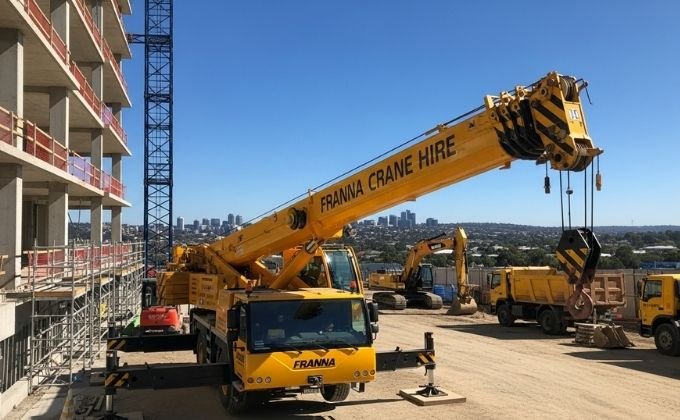
Mobile cranes, by contrast, are valued for their flexibility and speed of deployment. While tower crane hire is a long-term commitment, mobile cranes can be delivered, operated, and removed within a short timeframe, making them ideal for short-duration lifts or projects with changing site conditions.
Mobile cranes are often used for tasks such as steel erection, plant installation, or equipment relocation. Even on sites that rely heavily on tower crane hire sydney, mobile cranes frequently play a supporting role during early construction stages or for specialized lifts outside the tower crane’s reach.
Their ability to move freely around a site makes them especially useful when lifting needs are intermittent rather than continuous.
Comparing Height and Reach Capabilities
One of the most significant differences between the two options lies in height and reach. Tower crane hire provides unmatched vertical reach, allowing materials to be lifted hundreds of metres into the air with precision. This makes tower cranes indispensable for high-rise construction and dense city projects.
Mobile cranes, while powerful, are limited by boom length and stability requirements. On taller builds common in tower crane hire sydney projects, mobile cranes may struggle to match the consistent reach and lifting radius of a tower crane without complex setup or multiple crane changes.
For projects building upward rather than outward, tower cranes typically offer superior performance.
Site Space and Accessibility Considerations
Available space plays a crucial role in crane selection. Tower crane hire is often preferred when ground space is limited, as tower cranes occupy a relatively small footprint once installed. This is particularly beneficial in urban developments where site boundaries are tight.
In contrast, mobile cranes require sufficient space for outriggers and maneuvering. On congested city sites where tower crane hire sydney is common, accommodating large mobile cranes can be challenging and may disrupt other site activities.
Understanding site layout early in the planning phase helps determine which option integrates more seamlessly into daily operations.
Cost Structure and Project Duration
Cost considerations extend beyond hire rates alone. Tower crane hire generally represents a higher upfront investment due to installation, dismantling, and long-term rental periods. However, for lengthy projects, this cost is often offset by efficiency gains and reduced reliance on additional lifting equipment.
Mobile cranes are typically more cost-effective for short-term or occasional lifts. Even on projects utilizing tower crane hire sydney, mobile cranes may be hired selectively to avoid unnecessary long-term expenses.
Aligning crane choice with project duration ensures costs remain proportional to actual lifting needs.
Safety and Operational Control
Both crane types are subject to strict safety standards, but their operational profiles differ. Tower crane hire offers predictable lifting paths and fixed operating zones, which can enhance site safety when managed correctly. Operators become familiar with repetitive lifts, improving efficiency and reducing risk.
Mobile cranes introduce variable movement and setup conditions, requiring careful planning for each lift. On complex urban sites supported by tower crane hire sydney, coordinating mobile crane operations alongside fixed cranes demands clear communication and experienced supervision.
Safety performance ultimately depends on proper planning, trained operators, and site coordination rather than crane type alone.
Choosing the Right Crane for Your Project
The decision between tower crane hire and mobile crane use is rarely an either-or choice. Many successful projects use both, assigning each crane to tasks where it performs best. Tower cranes handle the heavy, repetitive vertical lifts, while mobile cranes provide flexibility for specialized or short-term operations.
In metropolitan developments where tower crane hire sydney is standard practice, this blended approach often delivers the highest efficiency and cost control.
Making an Informed Lifting Decision
Selecting the right crane is about understanding your project’s scale, timeline, and physical constraints. Tower crane hire is ideal for tall, long-term builds that demand consistency and vertical reach, while mobile cranes excel in flexibility and rapid deployment.
By carefully assessing project needs and site conditions, especially in high-density areas where tower crane hire sydney is common, construction teams can deploy the right lifting solution with confidence. The right choice not only supports productivity but also contributes to safer, more streamlined construction outcomes.